
Toying with People Games: Help Parents Get Interactions Going
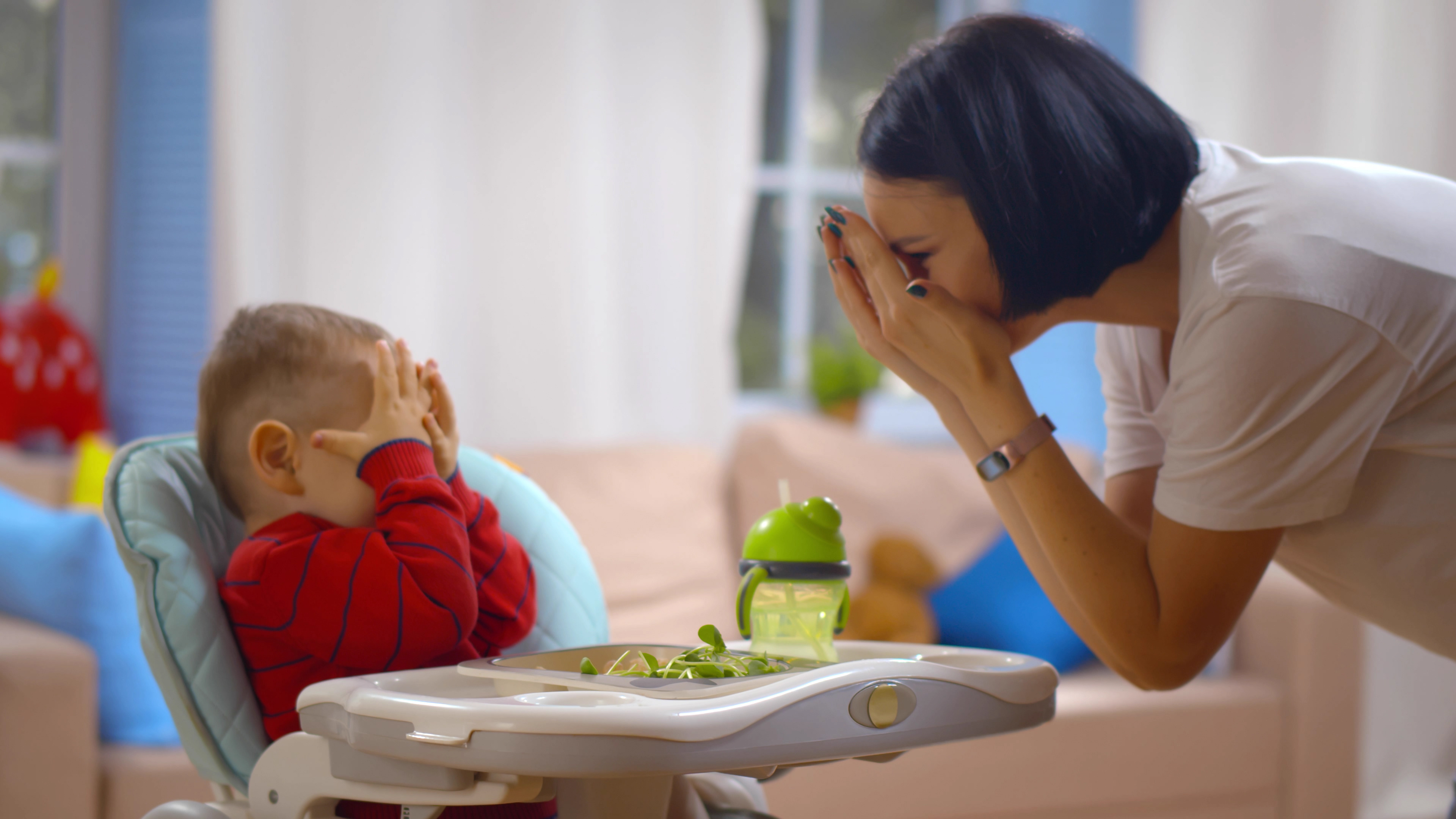
Let’s say you’re working with a parent and their young child with a language delay. We’ll call this child Cody and his parent Sasha. Cody is 18 months old and is at a very early stage of communication, and he is not yet communicating intentionally. During the session, Sasha tries to use a toy she knows Cody likes to get an interaction going. But Cody is focused on the toy and is not paying attention to her, so there is no back-and-forth interaction between them.
When children are at the very early stages of communication (especially before they are consistently using gestures, words or signs to send purposeful messages), they are still developing their joint engagement skills that enable them to coordinate their attention between an object and a person. This explains why Sasha may find it tricky to get an interaction going with Cody, who can only focus on one thing at a time.
As clinicians, we want parents to experience success using strategies that support their child’s communication in a way that feels natural and effortless. One way we can do this when children have yet to develop joint attention is to use people games, which enable the child to focus only on the parent.1 Research consistently shows that people games, like peek-a-boo, tickle, chase, swinging, or singing songs, are some of the most valuable opportunities for children’s communication.
Let’s take a closer look at how you can use people games to support the families you work with.
How Do People Games Support Children’s Communication Development?
People games make it easier for children to focus on the interaction, without the distraction of an object between them and their parent.1 This means that the parent is the most fun and interesting fun part of the interaction.
Because people games are naturally repetitive, children have many opportunities to participate in a predictable, structured interaction. Over time, the child learns to anticipate what will happen next. This familiarity helps them take a more active role and use the communication skills they already have.1
People games can support children with a range of communicative abilities, and they are particularly effective at supporting children who have not yet developed joint attention. They are also a great activity for children who communicate intentionally and nonverbally and those who are at the earliest stage of using words consistently. These games offer children many opportunities to hear and learn from the same words, actions and exciting moments again and again.1
Supporting Parents to Use People Games with SPARK
Successfully using people games to support children’s communication development involves parents adding predictable structure to an activity that may have little structure before. So, people games may fuel fun interactions, but they need a SPARK to get going!
The key Hanen strategy SPARK, which is part of the It Takes Two to Talk® interventions, helps parents transform their people games (and other routines!) with their child into consistent, motivating opportunities for the child to take communicative turns and keep the interaction going.1
Each letter of SPARK stands for something the parent can do to support their child’s interaction skills.1
Returning to Cody and Sasha, let’s explore how you could use SPARK in a people game to get a fun back-and-forth interaction going.
- After discussing what people games are, you ask Sasha to think of a people game that Cody really enjoys.
- Sasha tells you: “Cody really enjoys it when I swing him back and forth while I hold him in my arms.” Great!
Start the same way each time | |
Guide Sasha to give the people game a simple name (e.g., “Let’s play swing.”) and add an action or gesture to show Cody what she is talking about (e.g., making a swing gesture with her arms). Starting the people game the same way each time helps children like Cody know what to expect. | |
Plan the child’s turn | |
Coach Sasha to think about the “high point” – the part of the people game that is the most fun for Cody. Identifying the “high point” gives parents a focus for where their child could take a turn. The child will be motivated to take a turn just before the “high point” if that turn leads to their getting the “high point.” Now Sasha plans when and how Cody will take a turn. This depends on each child’s current communication skills, so planned turns will look different for each family. In the case of Cody and Sasha, it will be important for Sasha to keep Cody’s communication in mind when she plans what his turn might be. He communicates nonverbally using eye gaze, sounds and by moving his body (especially when he is excited), but does not use these skills to send messages on purpose. | |
Adjust the routine | |
Next, help Sasha think about how she will Adjust the routine. That is, how she will create the opportunity for Cody to take the turn she’s planned. Usually, the most effective way to adjust a routine is for parents to wait at the moment they planned for their child to take a turn. Pausing right before the high point builds excitement and encourages the child to take a turn in order for the game to continue. | |
Repeat the same actions, sounds and words | |
When parents use the same language and gestures again and again, it makes it easier for their child to learn when and how they can join in. So, Sasha should say the same thing each time she and Cody play the swing people game. For example, when she starts the game by saying “Let’s play swing,” she then swings him a few times, pausing before the high point. When Cody moves his body and makes a sound to show his excitement, she says, “Okay, let’s swing!” and swings him. She repeats this sequence many times. This helps Cody learn the steps of the routine and builds his understanding of what the word “swing” means over time. | |
Keep the end the same | |
A clear ending shows the child that this “round” of the game is complete, and it can start over. Particularly for people games that do not typically have a clear “ending” (e.g., swinging), you can help parents like Sasha think about what they will say or do to show their child that the game has ended. For instance, Sasha might stop swinging and say, “We stopped! No more swinging.” What next? The parent goes back to the Start! Sasha would say: “Let’s play swing” and use the SPARK strategy again. This helps the child achieve their goal of using their communication skills consistently in a back-and-forth interaction. |
|
Take Your Coaching to the Next Level
You can learn more about how to coach parents to use SPARK and other key Hanen responsive interaction strategies with their child by becoming Hanen-trained! Our certification workshops are comprehensive trainings that give you all the tools you need to coach families effectively and help them achieve their best outcomes.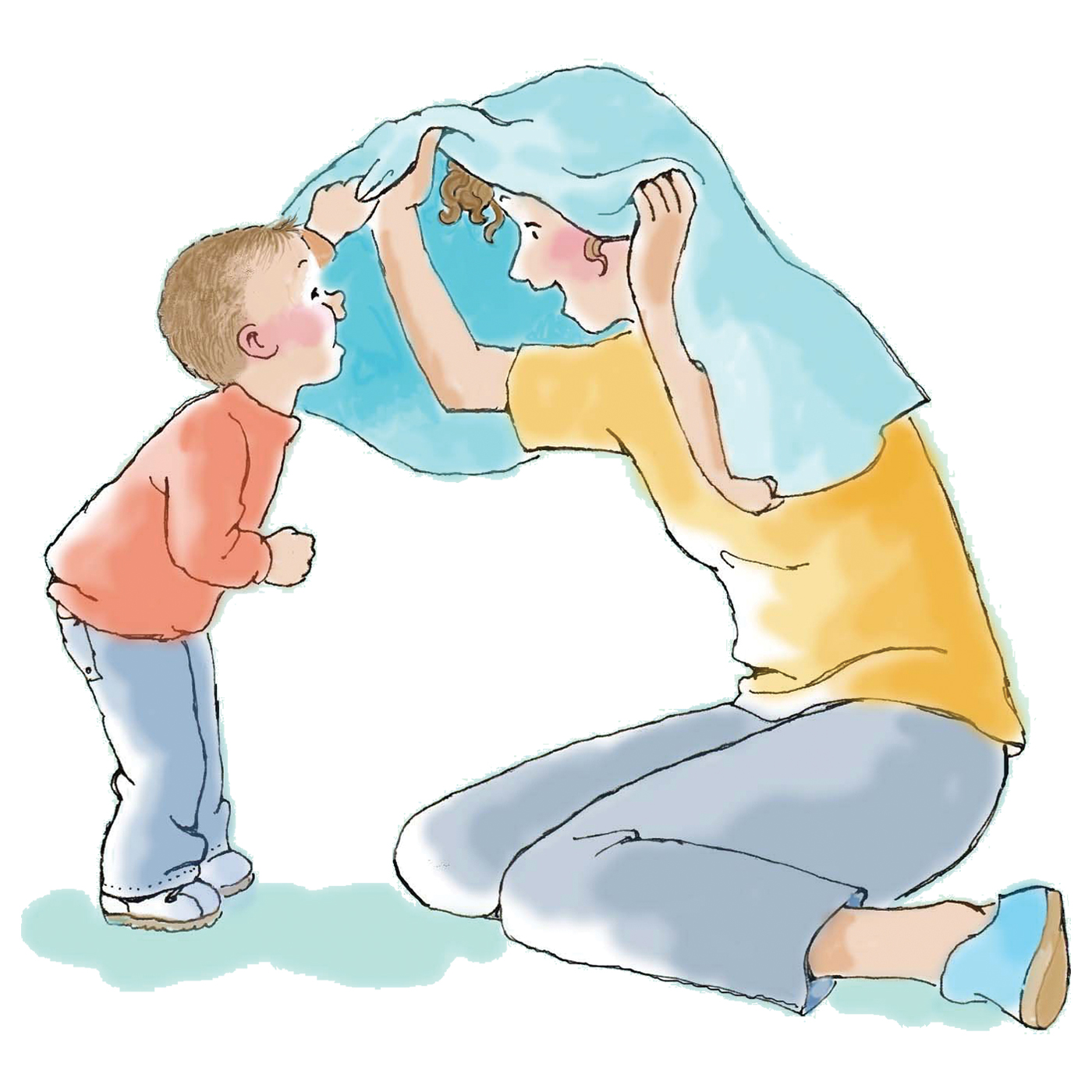 It Takes Two to Talk®
If you’re a speech-language pathologist, the It Takes Two to Talk® certification workshop gives you all the tools to coach parents with confidence, give them the skills to support their child’s communication and make your intervention more effective where it matters most: in real life.
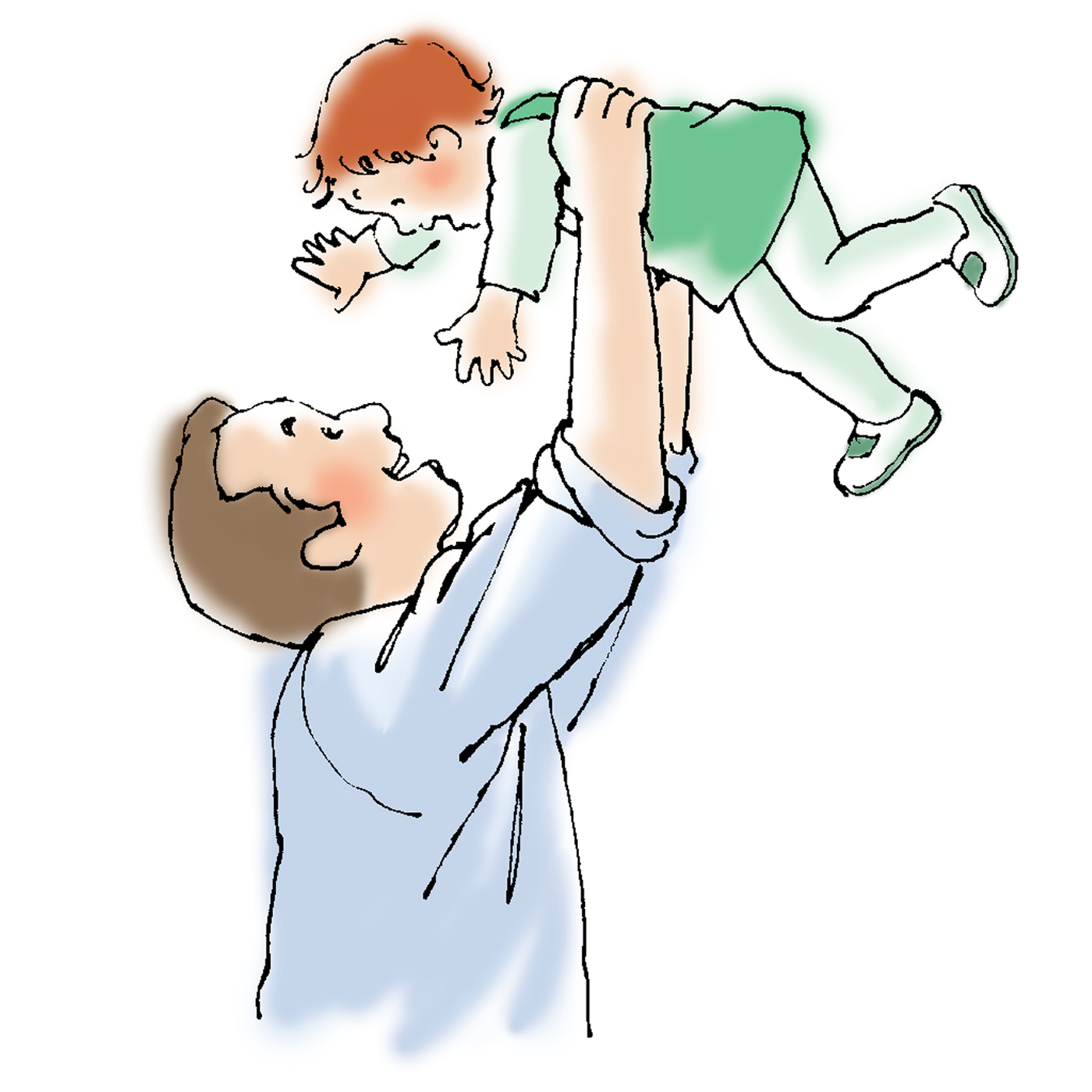 SPARK Communication™
If you’re an early interventionist who works with families of children with language difficulties, the SPARK Communication™ workshop offers a clear and practical framework for transforming early language intervention using parent coaching into a natural, effective and ongoing process.
Similar articles by tag:
It Takes Two To Talk | Parent Coaching | Joint Attention | People Games | SPARK