

This month's Book Nook topic is...
Introducing Rare Vocabulary with
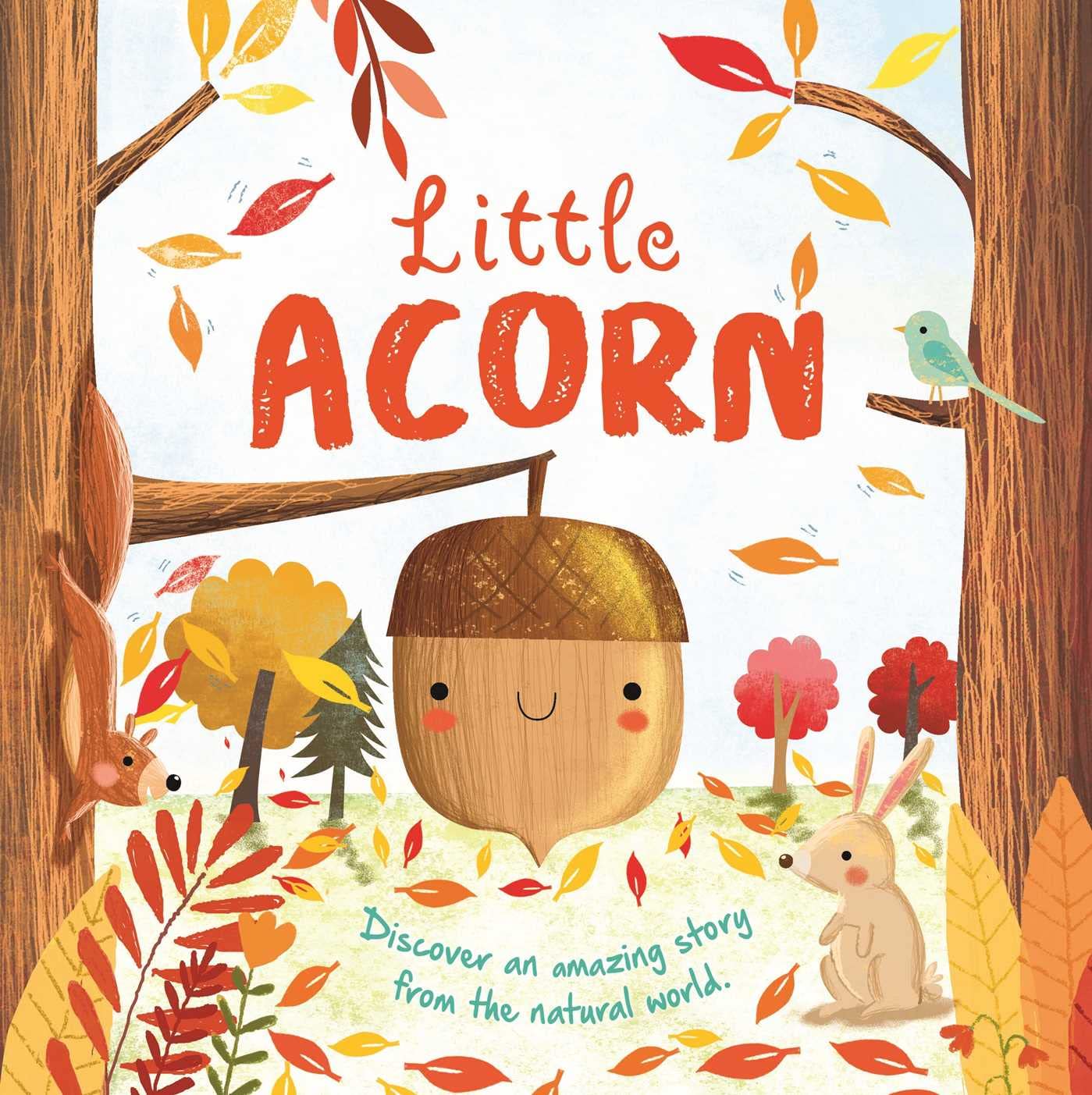
Little Acorn
A child’s vocabulary is one of the strongest predictors of later reading success. Children who understand more words go on to become better readers.
Building vocabulary also supports children’s learning beyond reading. When children learn more advanced, less common words, they expand the vocabulary they’ll need to understand subjects like science, history, geography and math.
In this Book Nook, we share practical tips for introducing rare vocabulary to help children understand and use these more sophisticated words.
The Book:
Little Acorn by Melanie Joyce, illustrated by Gina Maldonado
Why we chose this book
Little Acorn is a story about how a little acorn grows into a big oak tree. Using rhyme and colourful illustrations, the book introduces young children to the life cycle of a tree. It also includes rare words like “nestled,” “sprout” and “unfurled,” giving children opportunities to hear words they may not encounter in everyday conversation.
When introducing children to less common vocabulary, look for books that include words beyond those they typically hear day to day. Books about a specific topic, like space or hibernation, can be particularly helpful because they often include more specialized vocabulary.
Shoot for the SSTaRS
At The Hanen Centre, we talk about making new words “sparkle,” or stand out, by using a strategy called “Shoot for the SSTaRS.” SSTaRS is an acronym that stands for Stress, Show, Tell, and Relate and Say it again.
When you come across a rare or unfamiliar word, you can Shoot for the SSTaRS to highlight and explain the new word. Let’s Shoot for the SSTaRS with the word “nestled.”
Stress
Make “nestled” stand out by saying it louder and slower than the other words. You can also add a short pause after saying the word
Show
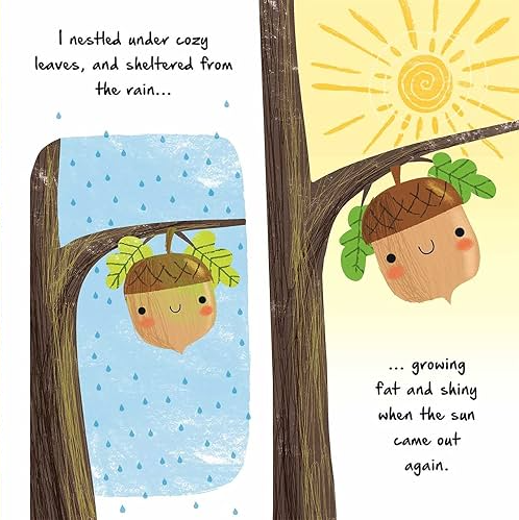
Show what a word means by pointing to an illustration, showing a picture or prop, or using a gesture or facial expression. In Little Acorn, you could point to the illustration of the acorn nestled under the leaves.
Tell
Give the child a short, simple definition of the word. For example: “Nestled means being in a snug, comfortable place. This acorn is nestled under the cozy leaves, where it’s protected from the rain.”
and Relate
Help the child connect the new word to their own knowledge and experiences. These connections make the word more meaningful and can help the child use it in other situations.
For example, you might say, “When you cuddle up close to me for a story, you’re nestled beside me.”
Say it again – and read it again!
The more often a child hears and talks about a new word, the more likely they are to understand and use it. Give them lots of opportunities to hear “nestled” again by re-reading the book and finding other situations where you can use it.
For example, while the child is playing with toy animals, you might say, “You put the teddy bear right between the two dogs. It’s nestled in the middle.”
Make New Words Sparkle by Re-Reading Books
Each time you re-read Little Acorn, you can Shoot for the SSTaRS with “nestled” and other rare words. Re-reading familiar stories gives children repeated opportunities to hear and learn new words. It also gives you more chances to make those words sparkle. By including the child’s interests when choosing books and words to talk about, you can make learning new vocabulary an enjoyable part of sharing books together.