Can Gestures Boost Your Child’s Communication?
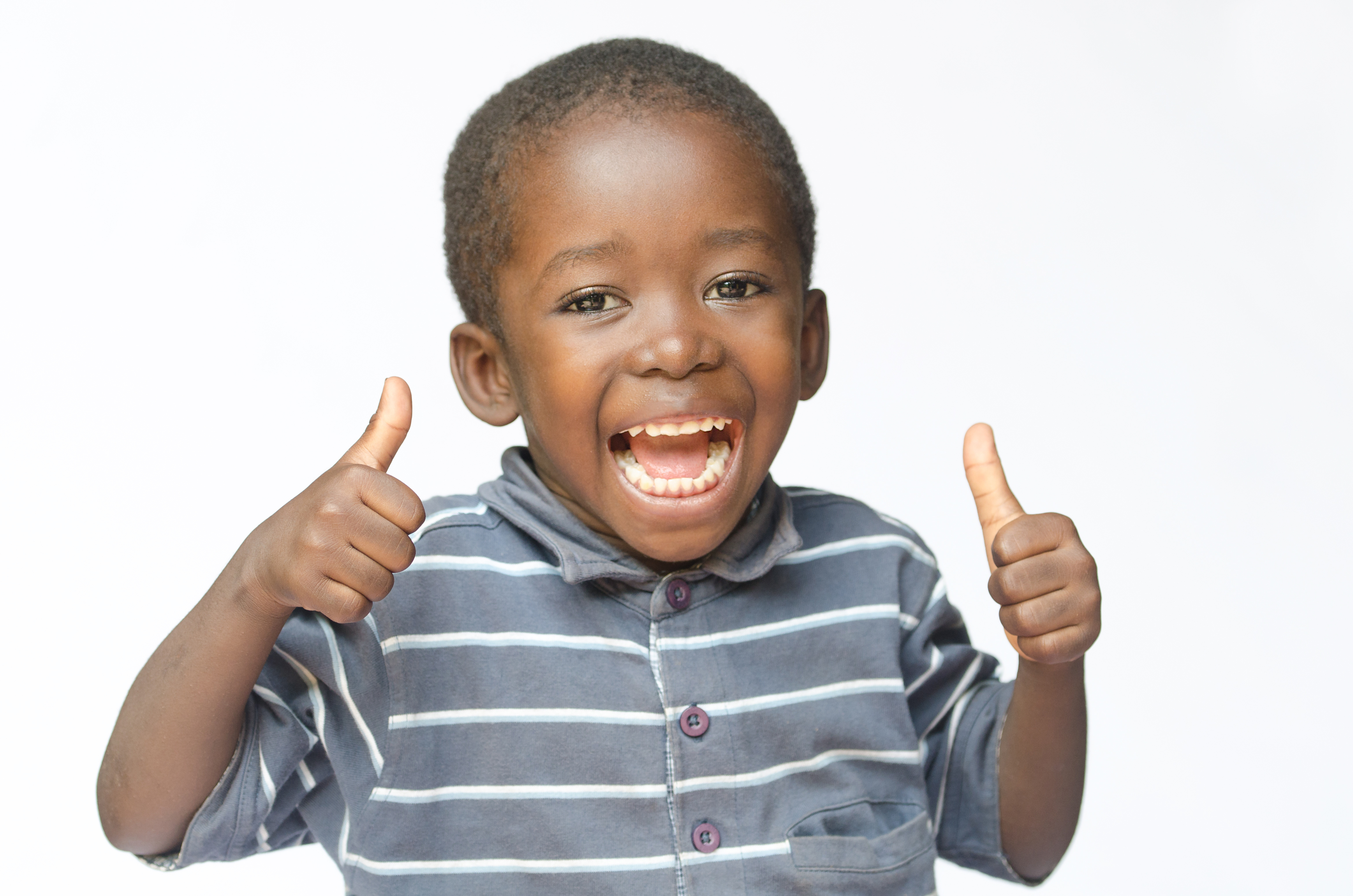
When we think about communication, we often think about words. But before children start talking, there are many other ways they communicate – and one of those ways is using gestures.
For example, your child might raise their arms to be picked up or point to something they’re interested in. These simple actions, which children often start using between 9 and 12 months of age [1,2], are just two examples of ways children send messages before they begin to talk.
As adults, we use gestures all the time too, often without even noticing. We might point, wave or use our hands while we’re talking. These gestures add information to support what we’re saying and make our messages clearer.
You might be wondering if helping your child learn gestures will stop them from using words. But research shows the opposite – gestures help children learn language. Children who use more gestures early on often have larger vocabularies later in life [3, 4].
There’s a lot more to gestures than you might think. Children (and adults) use different kinds of gestures, and we use them for different reasons. Let’s take a closer look at the different types of gestures and the reasons for which we use them.
Gesture types
Deictic gestures
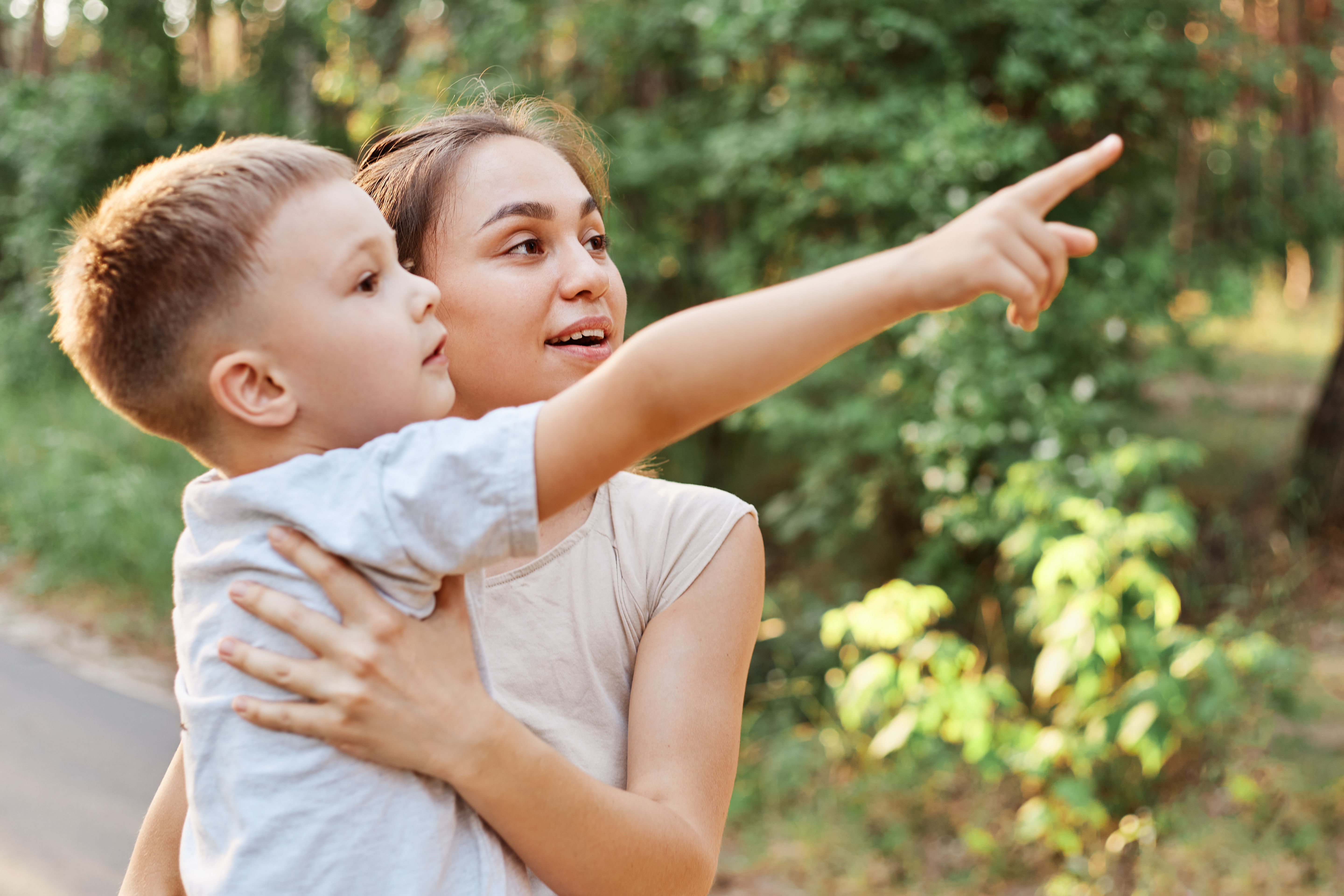
These are simple gestures that are used to draw attention to an object that is being communicated about.
Examples: pointing, reaching, holding out a hand to give an object
Iconic gestures
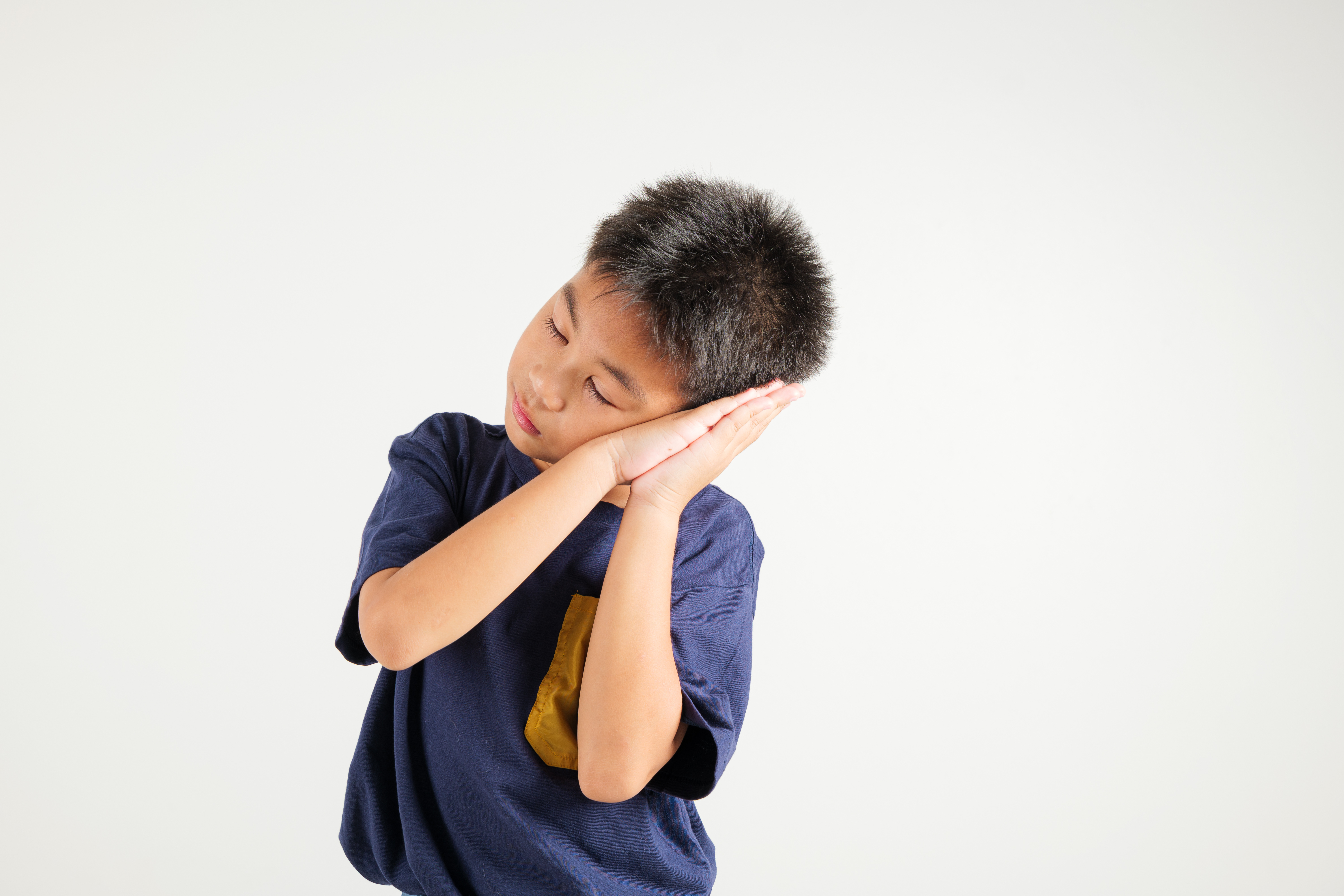
These gestures show the meaning of the word being communicated – in other words, the gesture looks like the object or action it refers to.
Examples: bringing hands to mouth to pretend to eat, tilting head to shoulder and pretending to sleep
Conventional gestures
These gestures do not resemble the word they represent, but their meaning is understood because they are widely used within a community.
Examples: holding up a glass to another to “cheers”, waving goodbye, putting a thumb up to indicate “good”
Non-referential gestures
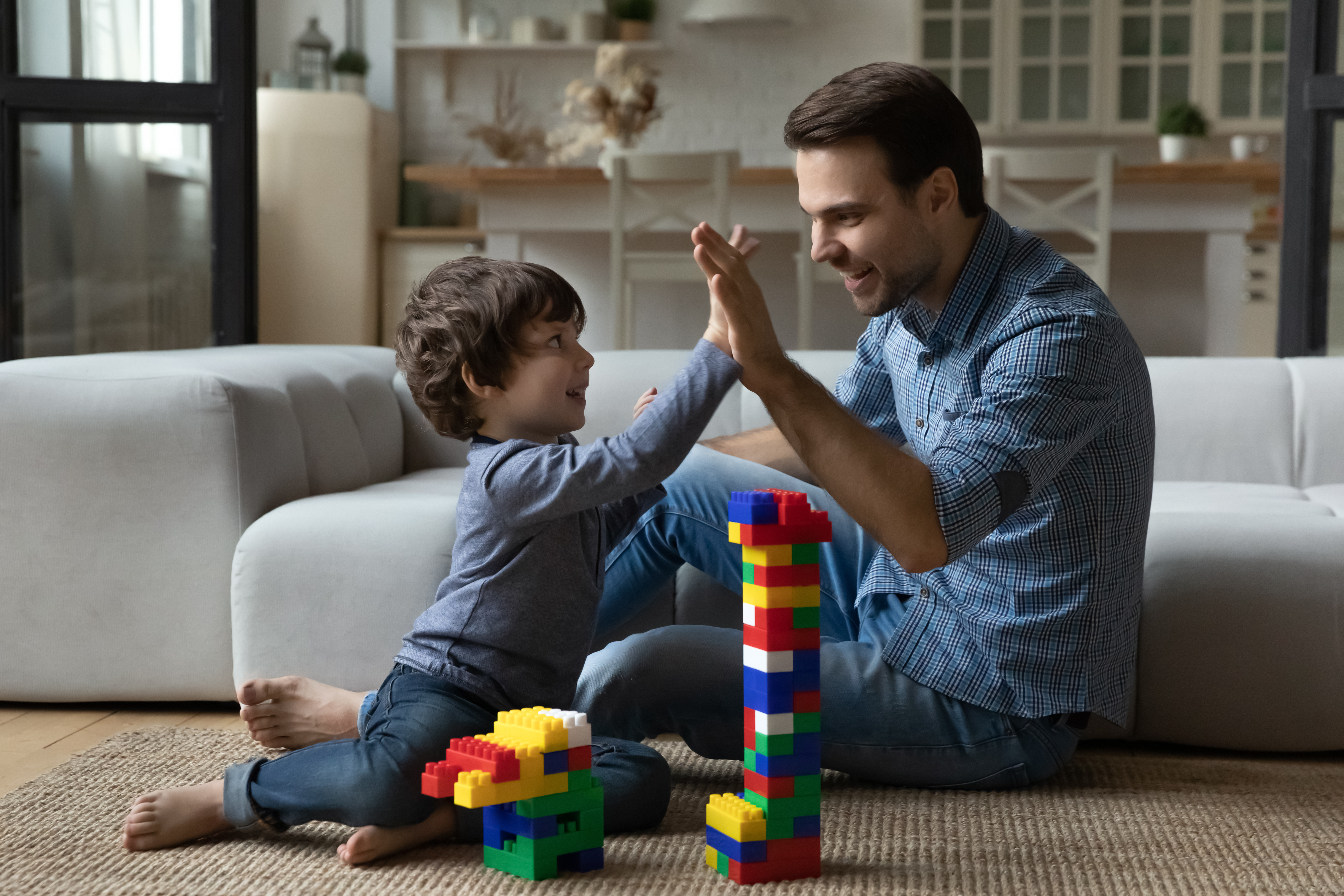
These gestures do not represent a specific action, object or idea, but are used to add emphasis or express emotion.
Examples: clapping, grabbing another person’s hands and holding them, giving a high five
Early gestures
You may be wondering when children develop these gestures. Researchers at Florida State University outlined the ages at which children typically start to use different gestures [1]:
Age: 9 months
- Giving an object
Example: Dropping a ball in your hand when you hold your hand out - Shaking head
Example: Shaking head “no” when they don’t want an object
Age: 10 months
- Reaching
Example: Reaching out for a desired item or to be picked up - Raising arms
Example: Raising arms to ask to be picked up
Age: 11 months
- Showing
Example: Holding up an object they’re interested in to show you - Waving
Example: Wiggling hand to greet someone
Age: 12 months
- Pointing with an open hand
Example: Pointing with all fingers spread to show you something - Tapping
Example: Tapping objects with all fingers to draw your attention to what they’re interested in
Age: 13 months
- Clapping
Example: Clapping hands together when excited - Blowing a kiss
Example: Blowing you a kiss
Age: 14 months
- Pointing with index finger
Example: Pointing with index finger only to show you things in the distance - Using a “shhhh” gesture
Example: Holding up index finger to mouth to show “be quiet”
Age: 15 months
- Nodding head
Example: Nodding head to indicate “yes” - Giving a "thumbs up"
Example: Holding one thumb up to indicate “yes” - Holding hand up
Example: Holding hand up to indicate “wait”
Age: 16 months
- "I don't know"
Example: Holding hands out to the side, palms up, to indicate “I don’t know” - High five
Example: Holding hand up for a high five
When your child uses a gesture, respond to what they are communicating. Understanding the reason why your child used the gesture helps you respond in a way that keeps the interaction going.
Use gestures for different reasons
As adults, we communicate in many different ways, and we also communicate for a number of different reasons. The same is true for children. At first, children communicate to request (get things they want) or to reject (refuse things they don’t want). And children can use gestures to express these things. For example, a child may raise their arms to request to be picked up. Or they may push away their plate of food to reject it.
But communication is about more than asking for things. It’s also important for children to share their thoughts and experiences with others – like showing you something interesting or greeting someone. Children use gestures to do this too. For example, if your child points to a picture of a dinosaur in a book and looks at you, they could be showing you something they find interesting. In that case, you could respond by saying, “That’s a big dinosaur!”, while pointing to the dinosaur too.
Help your child use gestures for different reasons
If your child is not yet using gestures for different reasons, how can you help them? Research shows that children are more likely to use gestures when their parents use them too [4]. This means that one of the best ways to support your child is to use gestures yourself during everyday interactions.
When you’re interacting with your child, add gestures to show what words mean – especially for things your child is interested in.
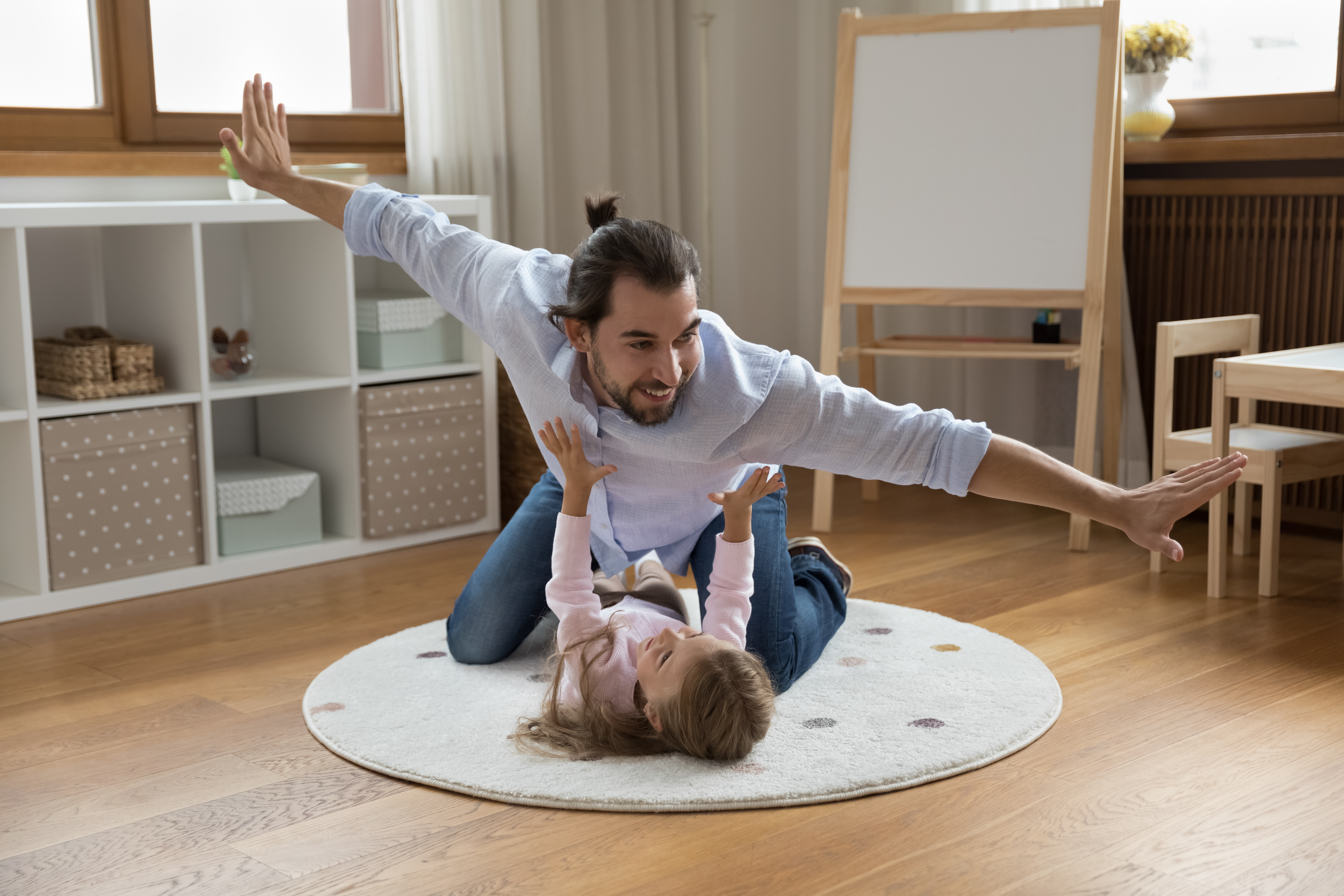
For example, if your child points to an airplane flying in the sky and looks at you, you could say, “That airplane is flying!” At the same time, show the meaning of the word “flying” by using a gesture like stretching out your arms. Repeat the gesture and use it in other situations when possible. For example, you could use the gesture if you play a game with your child where you make them fly like an airplane, or if your child sees a bird flying in the sky. The more you use gestures in different situations, the more your child learns what they mean.
Try to use different types of gestures for different reasons so your child can learn to use gestures for many reasons too. For example, when you say “goodbye”, add a waving gesture. Or when you make a comment about something interesting, point to it as well. Over time, your child may start to copy your gestures and eventually use them on their own.
If you’re interested in learning more about how to support your child’s communication development, the It Takes Two to Talk® guidebook offers lots of additional information.
Similar articles by tag: