
What Do Children Say About Their Favourite Books?
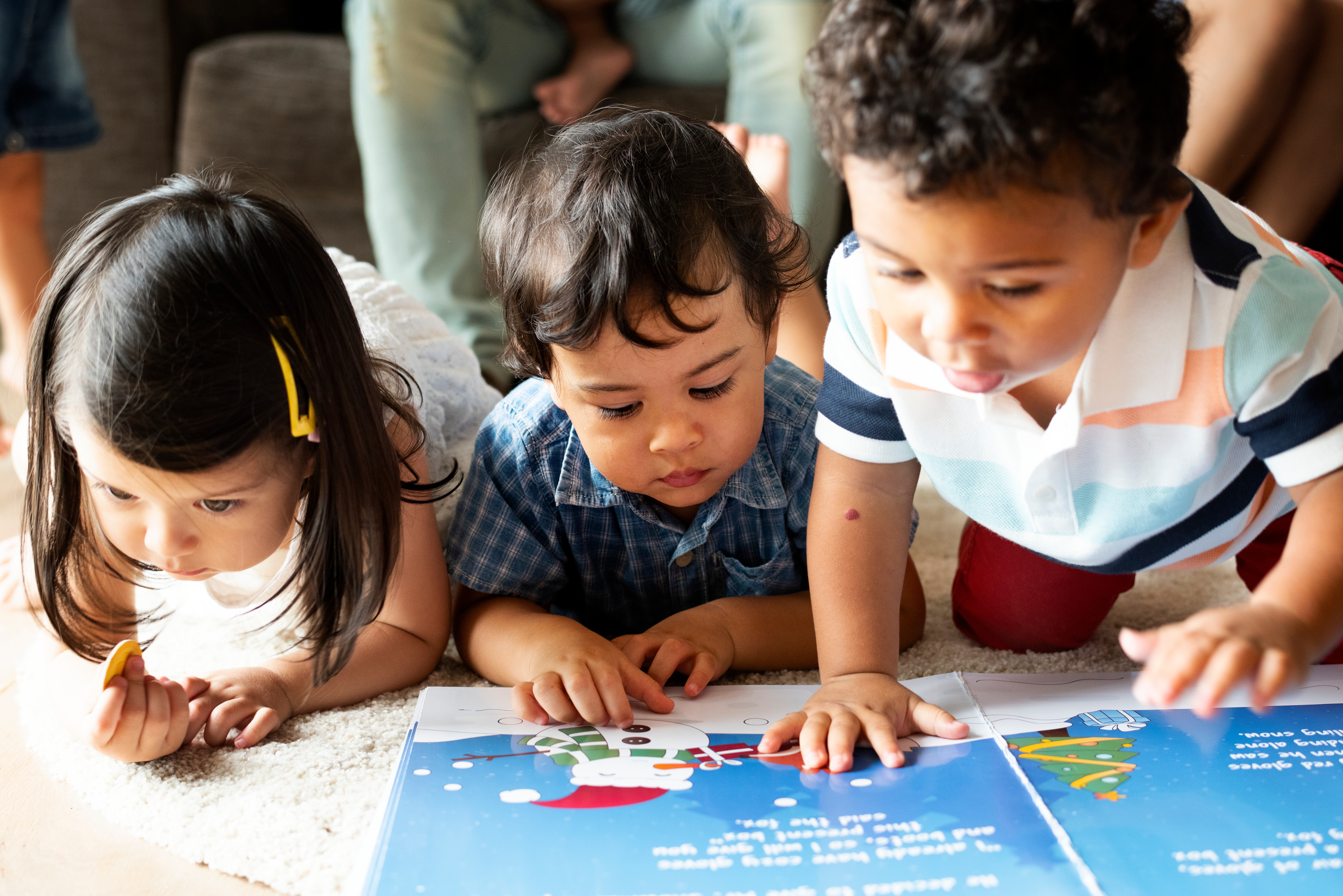
Research consistently shows that engaging in shared book-reading with young children supports their language and early literacy skills. We know that encouraging conversation during book reading with children is an important part of building their language skills.
Therefore, when choosing books to read with a child, we should be sure that the book is appropriate for their current communication skills and is of interest to them.
However, there has been little research about which books young children themselves enjoy and how they feel about reading with adults.
A recent study tells us more about what young children prefer about books, and what this means for supporting their language and literacy at home.
What children say about their favourite books
The study explores what kinds of books children prefer to read and what they enjoy about book-reading with adults.1 Researchers in Taiwan interviewed:
52
Kindergarten children (ages 5-6)
7
Parents of these children
5
Teachers/educators
The study purposefully included only children who:1
- Had typically developing language skills, and
- Engaged in shared book-reading often both at home and at school.
What the study found
Different children prefer different TYPES of books1
STORYBOOKS
58% of children
preferred fictional storybooks
Why?
Children enjoyed the characters’ emotions and making connections with their own experiences
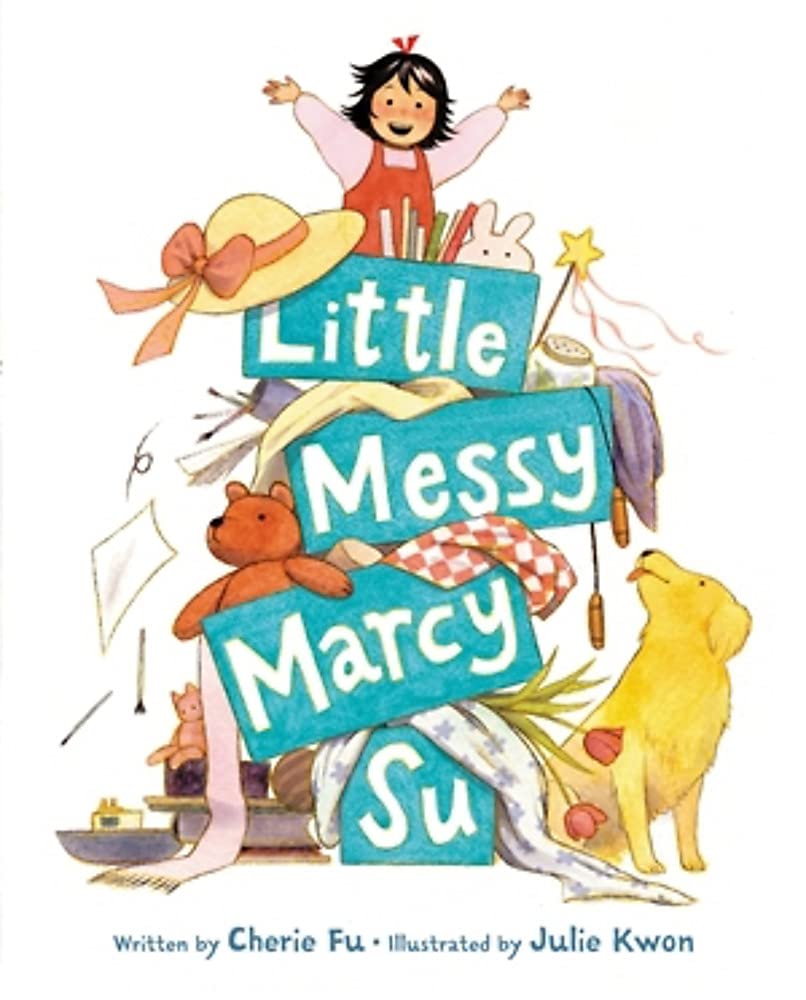
For example, Little Messy Marcy Su
INFORMATIONAL
30% of children
preferred books with information about their interests (but no connected story)
Why?
Children enjoyed reading and learning facts from these books
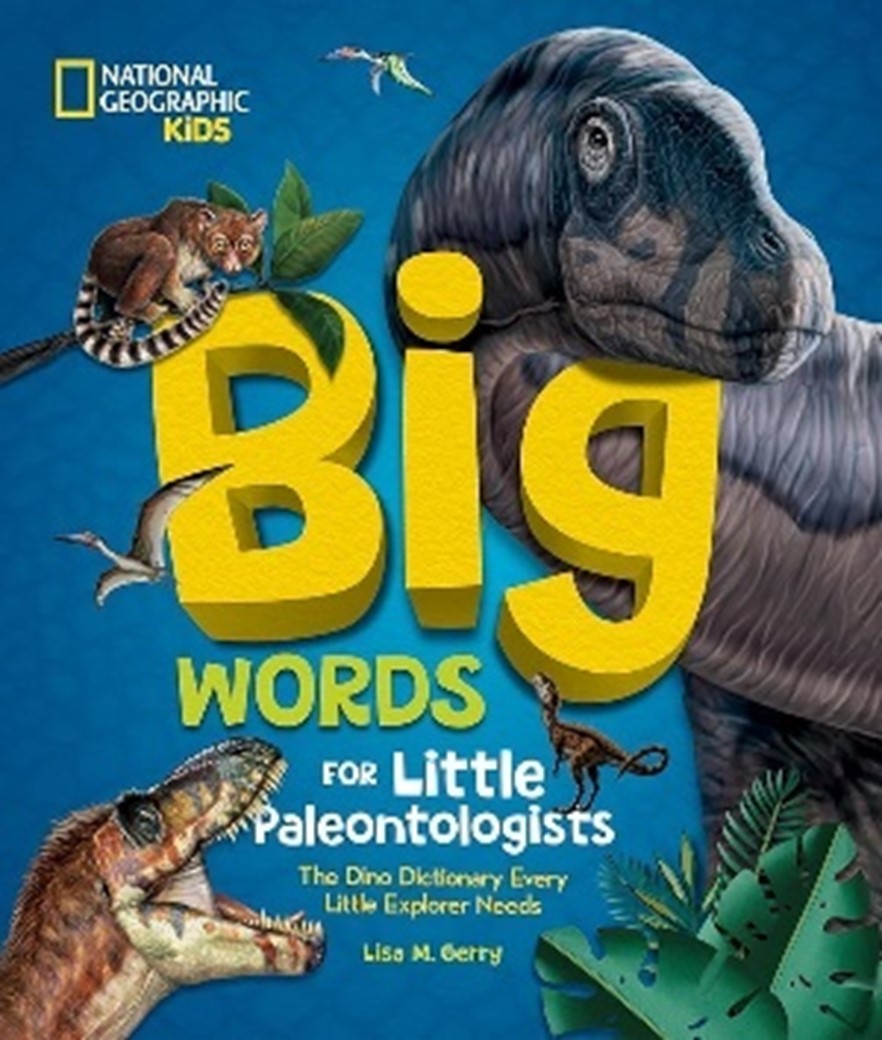
For example, Big Words for Little Paleontologists
“ADAPTED”
12% of children
preferred books that were based on a favourite movie, or other media
Why
Children enjoyed reliving scenes and engaging with characters they already knew
For example, this version of the Three Little Pigs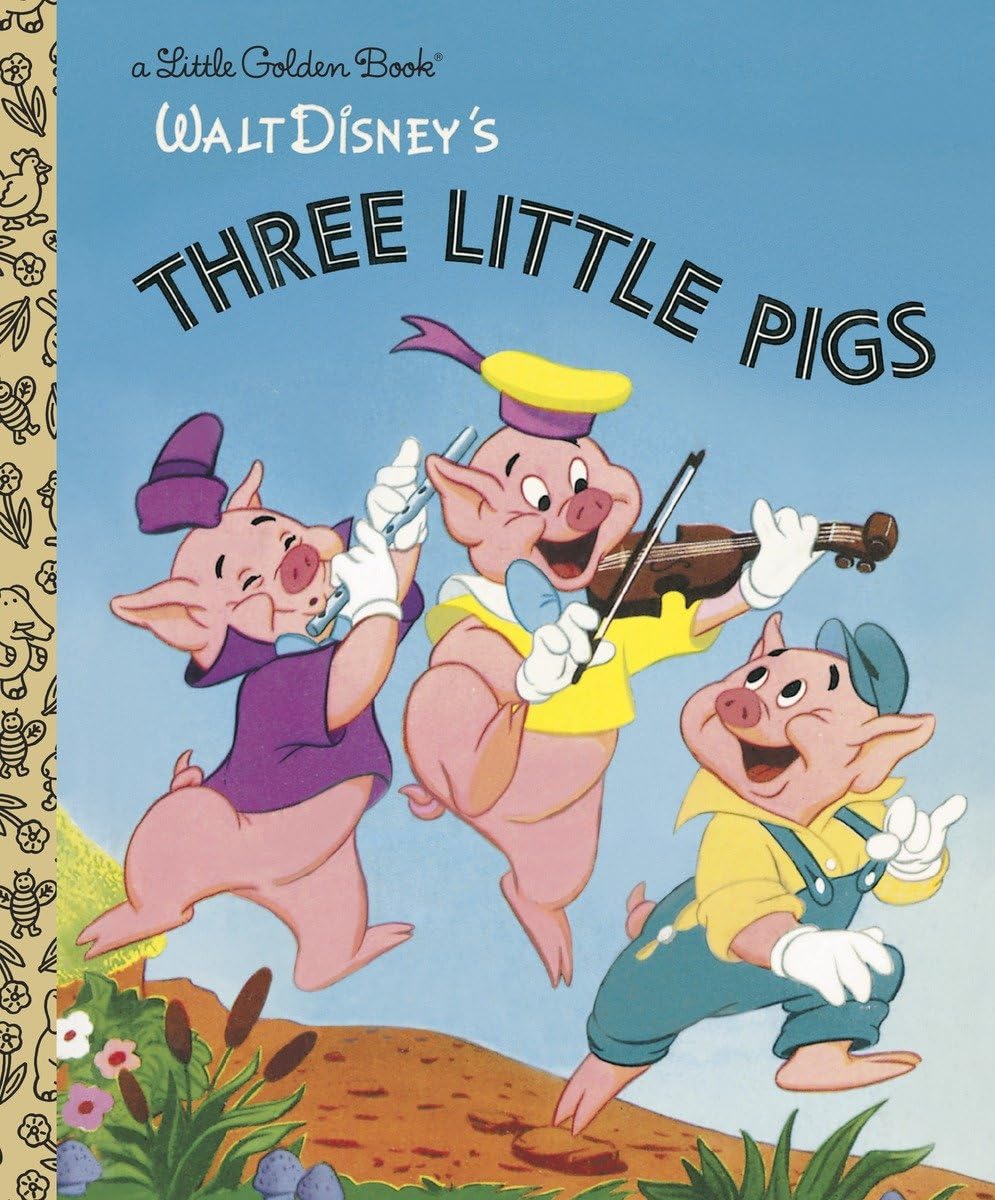
(adapted from Hsieh, 2023)
Children’s thoughts about sharing books with adults1
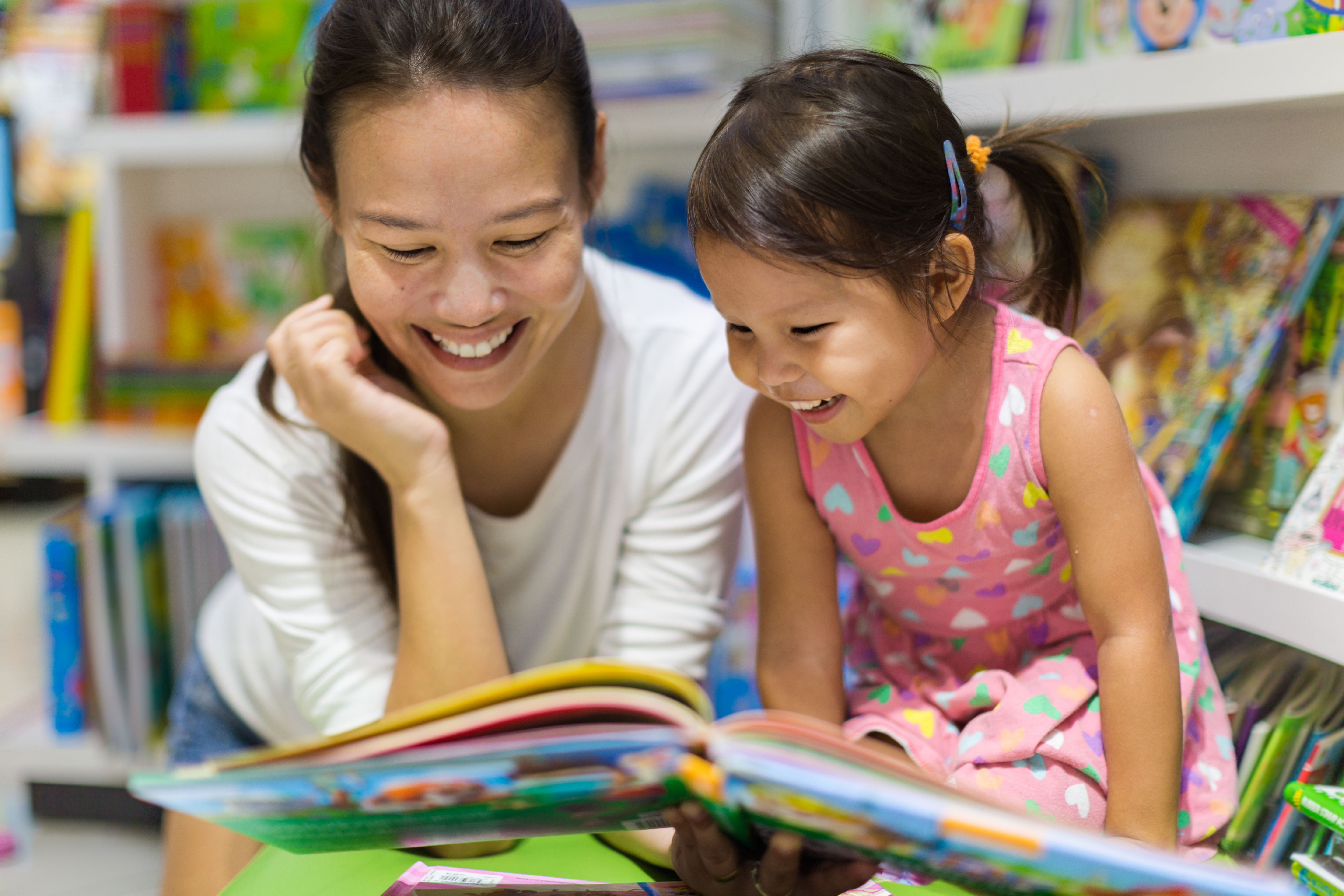
100% of the children enjoyed engaging in shared book-reading with parents and teachers.1
In fact, children generally expressed that they wanted opportunities to:
- Engage in book-reading more often with adults,
- Read their favourite books many times.1
The study highlights the “crucial companionship” children derive through interactions during shared book-reading.1
Children also wanted a greater variety of books available to them at home and at school.1
Most children wanted to be more involved in choosing those books. For example, while 70% of the children stated that their parents selected all the books at home, only 8% said their parents considered their preferences.1
What children’s book preferences mean for you
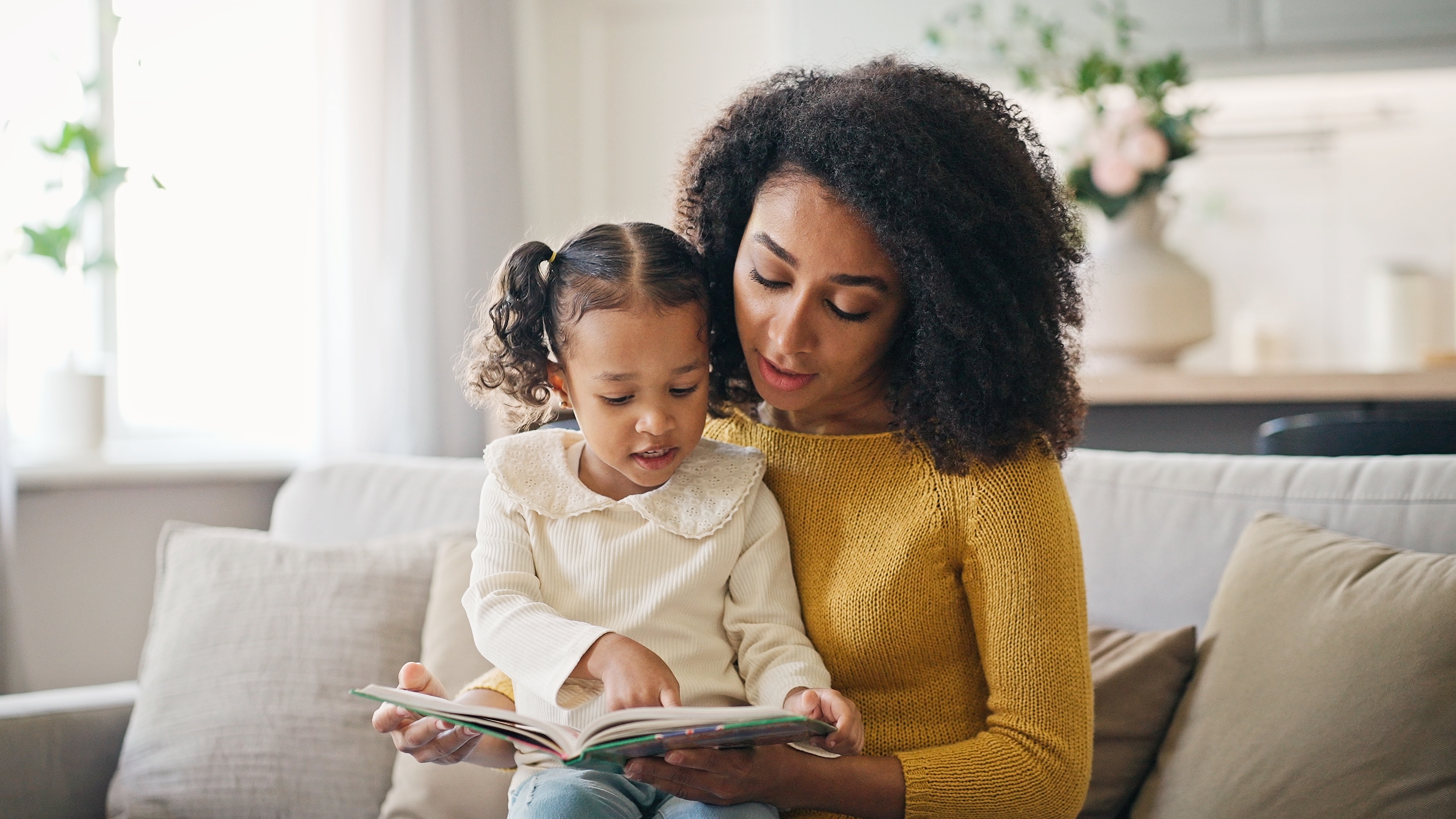
In their own words, young children reinforce the most important message about sharing books with them:
It’s all about their interests!
This is because children are likely to keep an interaction going and communicate more often when adults respond to the things that interest them. The language and literacy learning follows from there.
Based on this research, here are two things you can do to incorporate your child’s preferences to help make the most of your interactions when sharing books:
1. Provide opportunities for your child to engage with all different types of books: storybooks, instructional, and “adapted.”
Previous studies have suggested that one type of book may be “better” for language learning than others. However, the children in this study say differently. While most of the children in this study preferred storybooks, many had strong, clear opinions about why they preferred the other types. For each child, their favourite type of book helped them use language skills in different ways. Perhaps your child is more motivated by informational books, for example, making it easier for you to get an interaction going.
And, when your child does find a book that interests them, it can be beneficial to return to it as often as they find it interesting.
2. Let your child choose their books.
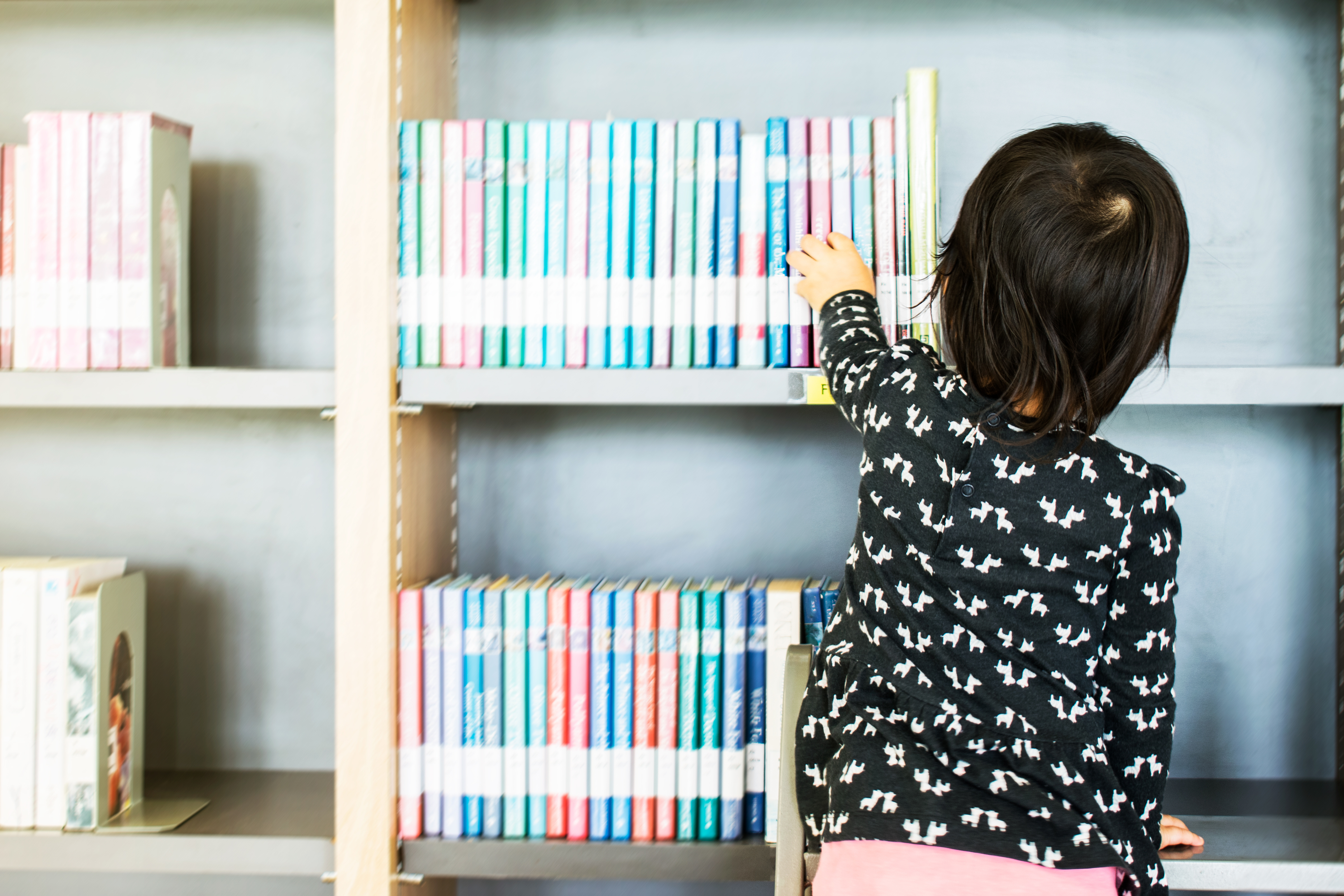
The parents in this study generally decided which books were available at home. Likewise, teachers decided which books were in the classroom. This study suggests even with our best intentions, as adults we may not always get it right. Furthermore, when adults make all the choices about the books children read, this could actually hinder children’s motivation to interact during book reading.
Of course, one limitation is that parents can only buy so many books. This is what makes your local libraries so magical! You can let your child explore the shelves. Take note of which books they are drawn to. You can bring home a range of different options and see which become new favourites for your child.
Want to learn more about sharing books with your child?
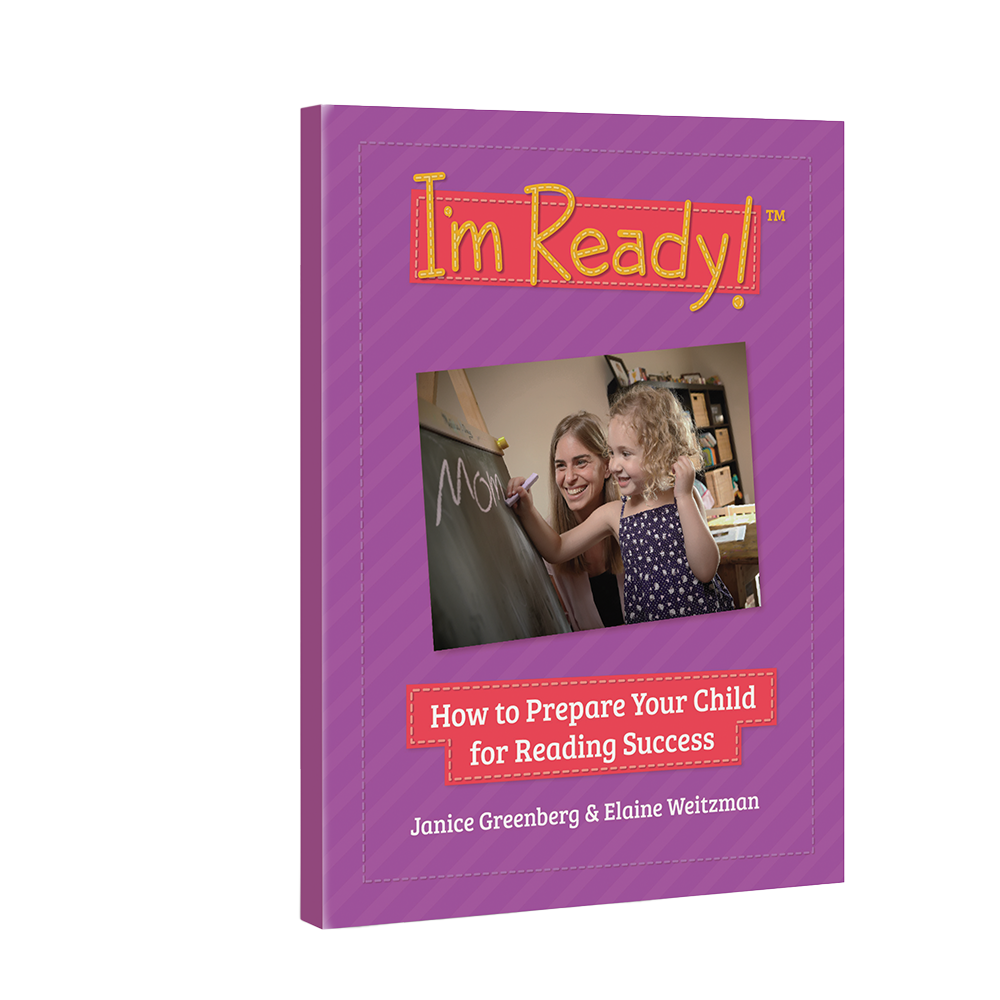
You can find even more in-depth discussion about how to make the most of sharing books in our I’m Ready! parent guidebook.
This illustrated guide provides you with the tools to make the most of your child’s opportunities to develop more advanced language skills when you read together.
Learn more:
I'm Ready!™ How to Prepare Your Child for Reading Success
Similar articles by tag:
Early Literacy | Conversation | Follow the Child’s Lead | Shared Book Reading | Book Reading