
The Surprising Link Between Early Conversations and Lasting Friendships
All parents want their children to have friends, but they may not know what skills their child needs in order to make friends. Research tells us that children with stronger early language skills tend to have better social skills as they grow older. But until now, researchers haven't understood why.
A new Canadian study followed more than 3,300 children from age two to age eight to explore this question.
What did researchers discover?
The researchers found that children with larger expressive vocabularies at age two tended to have better social skills at age eight—but there was an important step in between.
The link wasn't explained simply by children's later language abilities, such as their grammar or ability to use advanced sentences. Instead, it was explained by their pragmatic language skills around age five.
Pragmatic language, often called social communication, is the use of appropriate language in social situations. It includes knowing what to say, how to say it, and when to say it. This involves reading non-verbal cues, interpreting meaning based on context, and following conversational rules such as taking turns in a conversation and adjusting what one says depending on whom they are talking to.
In other words, it wasn't just knowing more words that mattered when assessing children’s ability to make friends. It was learning how to use language successfully with other people that made the difference.
Why is this study important?
Previous studies have already shown that early language and later social skills are connected. Some studies also suggested that general language ability might help explain that connection.
This study is the first large, long-term study to compare two possible pathways at the same time: general language skills and pragmatic language skills. The important finding was that pragmatic language was the key link between early vocabulary and later social skills.
What does this mean for parents?
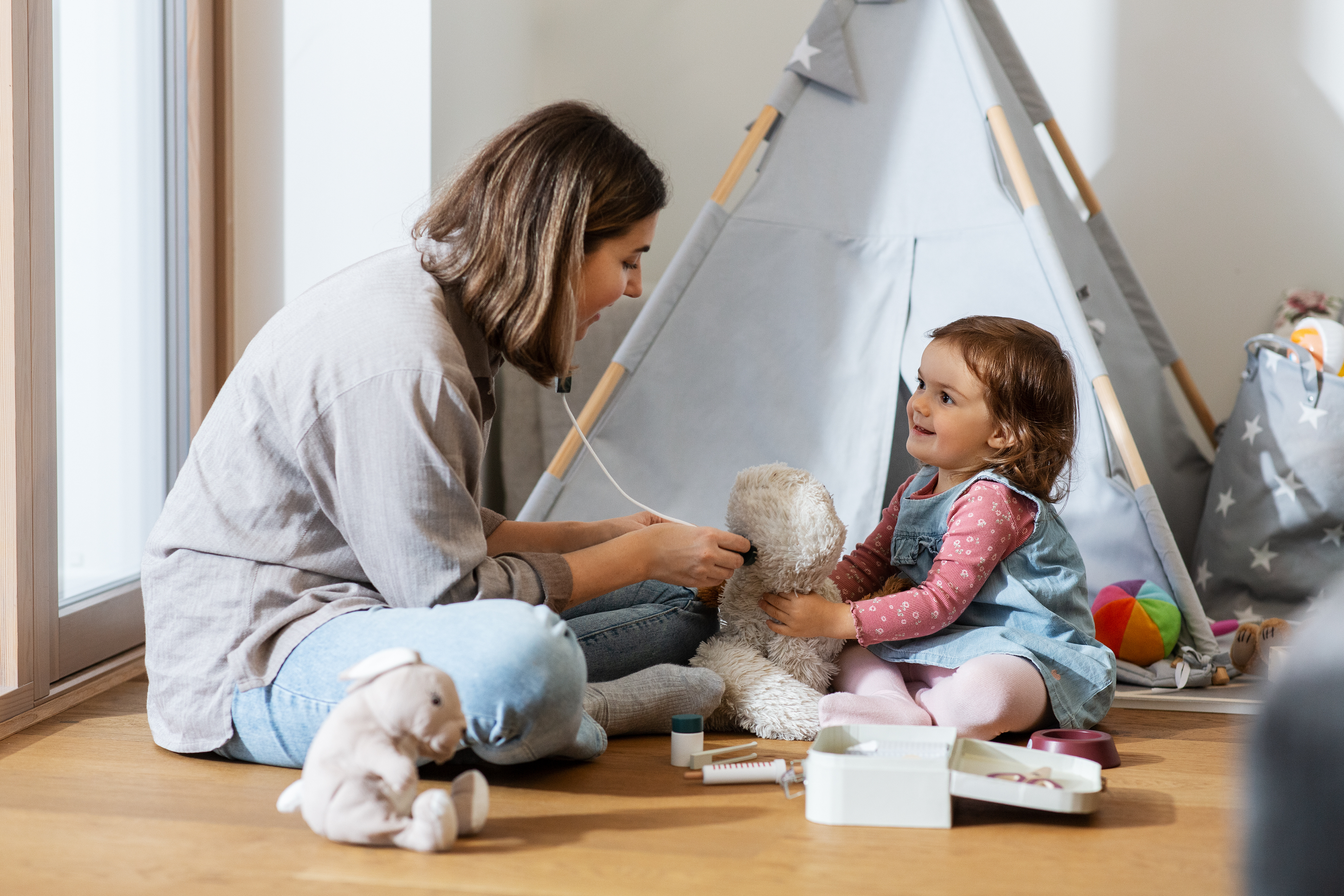
Children don't develop social communication skills in isolation. They develop them through warm, enjoyable interactions with caring adults throughout the day.
When you follow your child's lead, respond to their communication with interest, and enjoy back-and-forth interactions together, you're giving your child opportunities to learn how conversations work.
Over time, these everyday experiences help children learn to take turns, listen and respond to others, communicate their ideas clearly, and understand another person's point of view. These are the very kinds of pragmatic language skills that this study found were linked to stronger social skills years later.
How the Hanen approach helps
At The Hanen Centre, we know that language learning happens during meaningful interactions with the important people in a child’s life.
That's why Hanen Programs help parents build enjoyable back-and-forth interactions into everyday routines like mealtimes, play, book sharing, and daily activities. As children participate in these interactions, they learn both what to say and how to use language appropriately with others.
This new research provides further evidence that these early interactive experiences have benefits that extend well beyond everyday language use. We now know that these early interactions help children develop the communication skills that support successful relationships throughout childhood.

Learn more with the It Takes Two to Talk® guidebook
Find out how the It Takes Two to Talk guidebook gives you practical and easy ideas that help you support your child’s communication.
It Takes Two to Talk® guidebook

Similar articles by tag: