

This month's Book Nook topic is...
Developing Story Comprehension with
Etta Extraordinaire
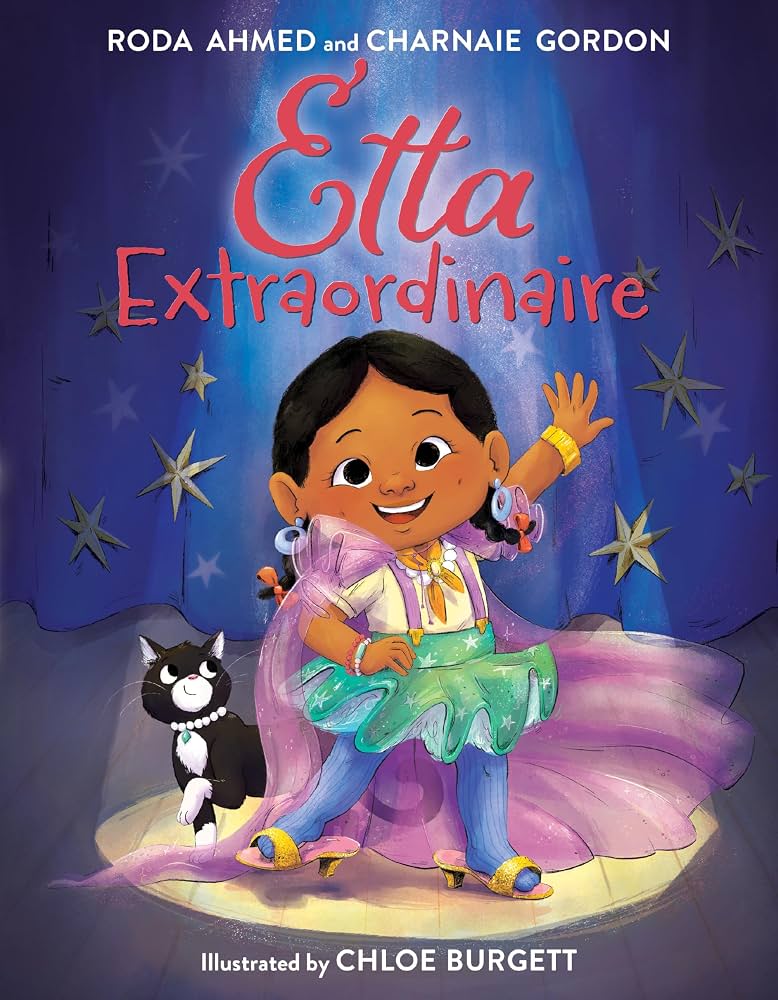
Sharing books with children is a great opportunity to build reading comprehension, which involves helping children make sense of the story. You can help to build children’s understanding of the basic components of a story using a Hanen strategy called CSPAR, which stands for:
Characters | Who is the story about? |
Setting | Where does the story take place? |
Problem | What is the problem the character(s) need to solve? |
Action | What does the character do to try and solve the problem? |
Resolution | How is the problem solved? |
Let’s look at an example of how you can use CSPAR to support children’s story comprehension!
The Book:
Etta Extraordinaire
Written by Roda Ahmed & Charnaie Gordon
Illustrated by Chloe Burgett
Why We Chose This Book
Etta is a young child who is full of energy and confidence. But when she has to perform in an upcoming talent show, she starts to feel nervous. Can she work through these new feelings and get on stage?
This story focuses on a simple, relatable problem for children. With fun, dramatic illustrations, Etta Extraordinaire is an engaging book for supporting children’s story comprehension.
 The first reading
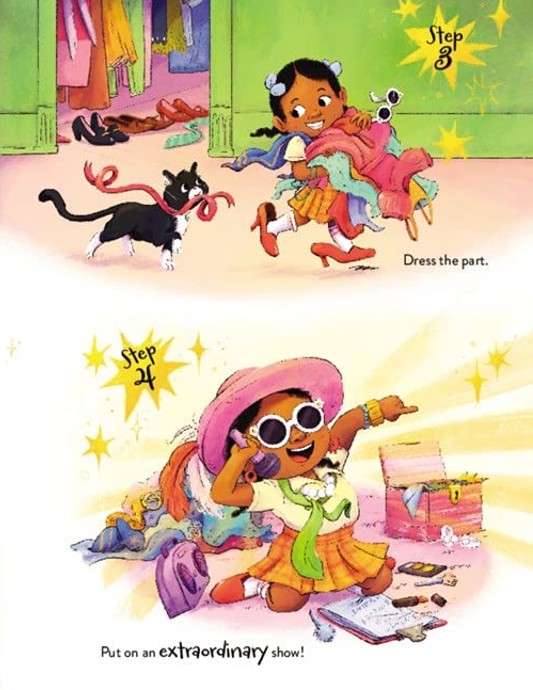
The first time you read Etta Extraordinaire, it’s important to keep the story moving, so that the child can get an overall sense of what happens. Have short conversations to help the child remember and understand the basic elements of CSPAR.
Here are some examples of how you could talk about CSPAR as you read Etta Extraordinaire with the child:
| |
Begin with the front cover. After reading the title, you could say:
As you continue reading, you could say:
| |
Setting | |
Talk about where the story happens. While looking at the front cover, you could say:
A few pages in, you could revisit the setting and add:
| |
Problem | |
As you read, you will encounter the problem in this book. You could say: “Etta has a problem – she is feeling nervous about performing in the talent show.” | |
Action | |
Highlight the actions that Etta takes to solve the problem:
| |
Resolution | |
Talk about how the problem is resolved. You could say:
| |
Using CSPAR in later readings
Children enjoy reading the same book many times, which means there are many opportunities to help build their comprehension of the story and support them to think deeper about it. You can continue to use CSPAR during later readings to further the child’s understanding. Later readings allow for more pauses in the book to have longer conversations about the story.
During later readings, you can make thinking-out-loud comments about CSPAR — short comments that show the child what you are noticing, wondering, or thinking about as you read. These comments help children understand the story more deeply by modelling the kinds of thinking good readers do, without putting pressure on the child to answer. For example:
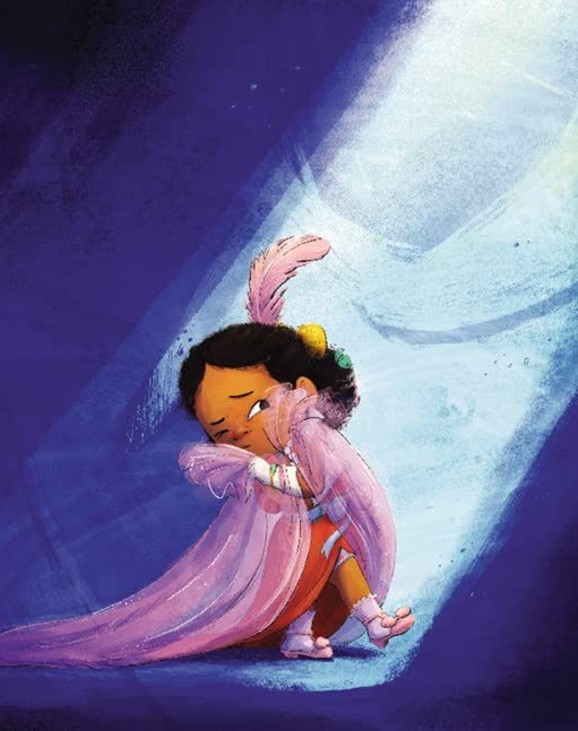 “I’m thinking that some of the other Characters don’t look as happy about Etta singing everywhere she goes.”
- “Etta thought she was feeling better, but she feels worried again when she gets on stage!” (Problem)
- “I’m thinking about what other Actions Etta could try to get ready for the talent show.”
You can also ask questions that encourage the child to reflect on different components of CSPAR. For example:
- “What is the big Problem that Etta has to solve in this story?”
- “What Actions does Etta take to try and solve this problem?”
“At the end of the story, Etta is much happier. What happened that helped to Resolve the problem?”
Every time you make a comment or ask a question, it’s important to wait encouragingly for up to 10 seconds to see what the child will say or do next. If the child doesn’t respond after you wait, you can simply answer for them!
Keeping the conversation going
Continue building on the child’s ideas by adding to what they say, notice, or show interest in. Then, pause again and wait for the child to respond. Aim to keep the conversation going back and forth for five or more turns between you and the child.
This back-and-forth gives children repeated opportunities to talk about the CSPAR elements and deepen their understanding of how stories work.
Happy reading!
More Resources
The strategies in this Book Nook post are drawn from Hanen’s practical, research-based guidebooks for building emergent literacy. Explore the links below to learn more about how these guidebooks can support you.
For Parents I'm Ready! guidebook
For Educators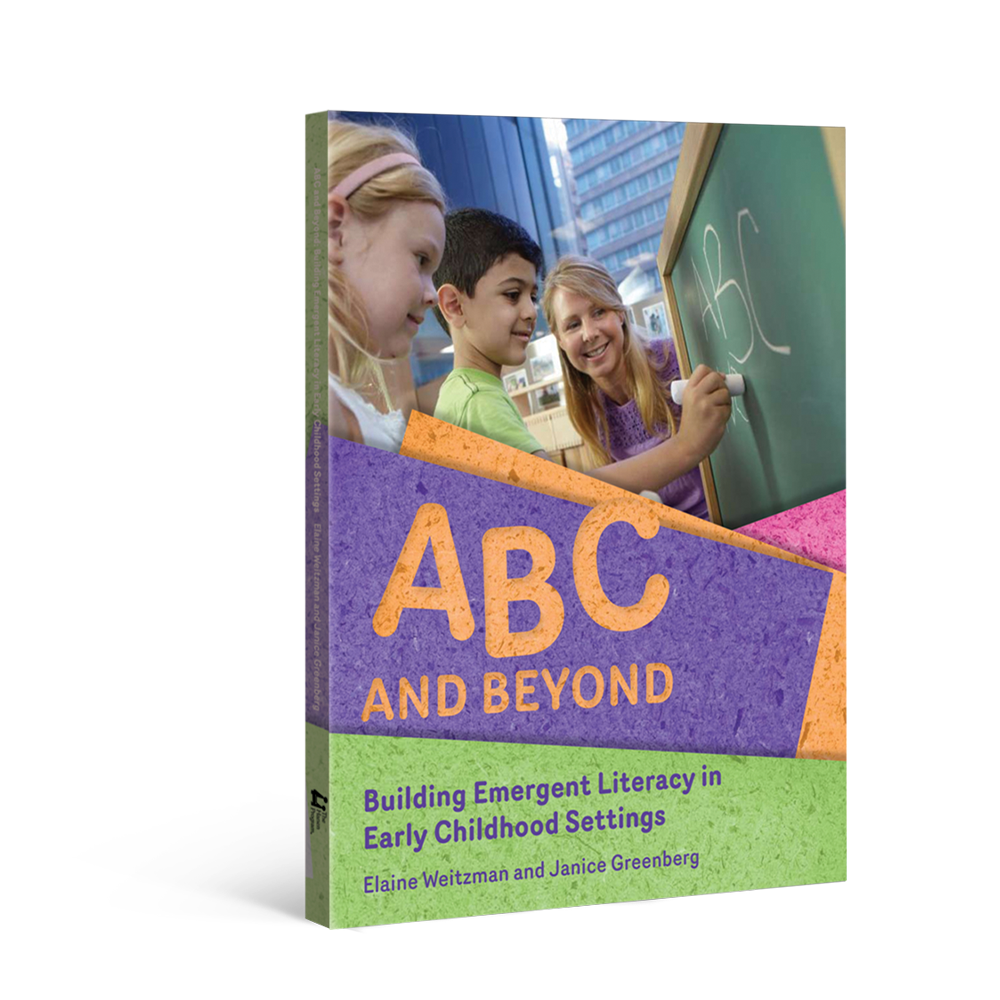 ABC and Beyond guidebook